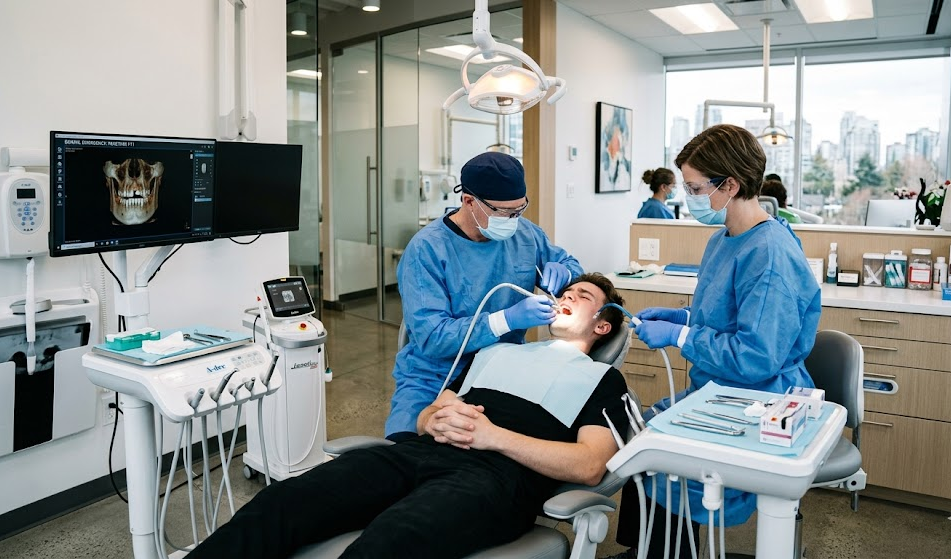
In the realm of oral health, the experience of a dental emergency can lead to intense anxiety and discomfort. Whether faced with a sudden toothache or an unforeseen dental injury, the need for fast dental care becomes apparent. This article explores the critical aspects of seeking immediate attention for severe tooth pain, highlighting solutions and guidance on navigating dental emergencies.
Understanding Dental Emergencies
To effectively address dental emergencies, one must first understand what constitutes a dental emergency. These situations require swift action to alleviate pain or save a tooth, often leading individuals to seek assistance from an emergency dentist.
Common Types of Dental Emergencies
Dental emergencies present in various forms, each necessitating prompt care. Below are some prevalent emergencies:
- Severe toothaches: Persistent pain indicating potential issues like cavities or infections.
- Knocked-out teeth: Immediate care can save the tooth if attended to quickly.
- Broken or fractured teeth: Can occur due to trauma or biting hard substances.
Understanding these categories can significantly impact the success of treatment and overall outcomes. A rapid response can lead to effective tooth pain relief and possible preservation of damaged teeth.
Seeking Urgent Dental Treatment
When a dental crisis occurs, knowing how to proceed is essential for managing pain and preventing further damage. It’s imperative to connect with an emergency dentist without delay.
Tips for Immediate Response
Here are several steps to follow during a dental emergency:
- Stay calm: Anxiety can exacerbate the situation; take deep breaths.
- Contact a dentist: Reach out for guidance and arrange an appointment as soon as possible.
- Manage the pain: Rinse your mouth with warm salt water and use over-the-counter pain relievers.
Taking these steps not only aids in pain management but also helps preserve dental health. Actively seeking urgent dental treatment can make a significant difference in the outcome.
Why Fast Dental Care Matters
Timing is everything in dental emergencies. A delay can worsen the condition or result in irreversible damage.
Consequences of Delayed Treatment
Failing to act promptly can lead to various complications:
- Increased pain: What starts as a minor issue can escalate into severe discomfort.
- Infection risks: Untreated dental issues can lead to infections, requiring more invasive treatment.
- Tooth loss: Immediate care is often the key to saving a damaged tooth.
Highlighting the importance of fast dental care brings awareness to both patients and practitioners, encouraging timely interventions that can alleviate pain and restore oral health.
Choosing the Right Emergency Dentist
Selecting a qualified emergency dentist can alleviate stress during a dental crisis. When searching for the right professional, consider the following aspects:
Essential Selection Criteria
Look for dentists who meet these criteria:
- Availability: Look for a dentist who offers same-day appointments and covers weekends.
- Experience: Verify qualifications and expertise in managing urgent dental situations.
- Patient reviews: Reading feedback can provide insights into reliability and care quality.
Making an informed choice can significantly affect the overall experience and effectiveness of the necessary treatment.
Strategies for Managing Severe Toothaches
Severe toothaches can be debilitating. Knowing how to relieve immediate pain is essential, creating a smoother journey until professional help is obtained.
At-Home Remedies for Pain Relief
While awaiting professional treatment, various at-home strategies can provide temporary relief:
- Cold compresses: Apply to the outside of your cheek to numb pain.
- Saltwater rinse: Helps reduce inflammation and cleanse the mouth.
- Pain relievers: Over-the-counter options can help diminish discomfort.
Utilizing these methods can enhance comfort levels and help in managing pain effectively.
The Path to Long-Term Dental Health
After experiencing a dental emergency, addressing underlying issues is critical for preventing future occurrences. Regular check-ups and good oral hygiene practices are paramount.
Preventative Care Measures
Adopting a proactive approach towards dental health can be instrumental:
- Consistent dental check-ups: Regular visits to a dentist can catch issues before they escalate.
- Proper oral hygiene: Brushing and flossing daily minimizes the risk of dental problems.
- Diet considerations: Limiting sugary foods can help protect tooth health.
Taking these preventative steps not only protects against emergencies but promotes overall oral wellness.
In conclusion, understanding dental emergencies and acting swiftly is essential for effective pain management and preserving dental health. Individuals should remain informed and proactive in seeking prompt treatment when faced with severe tooth pain.