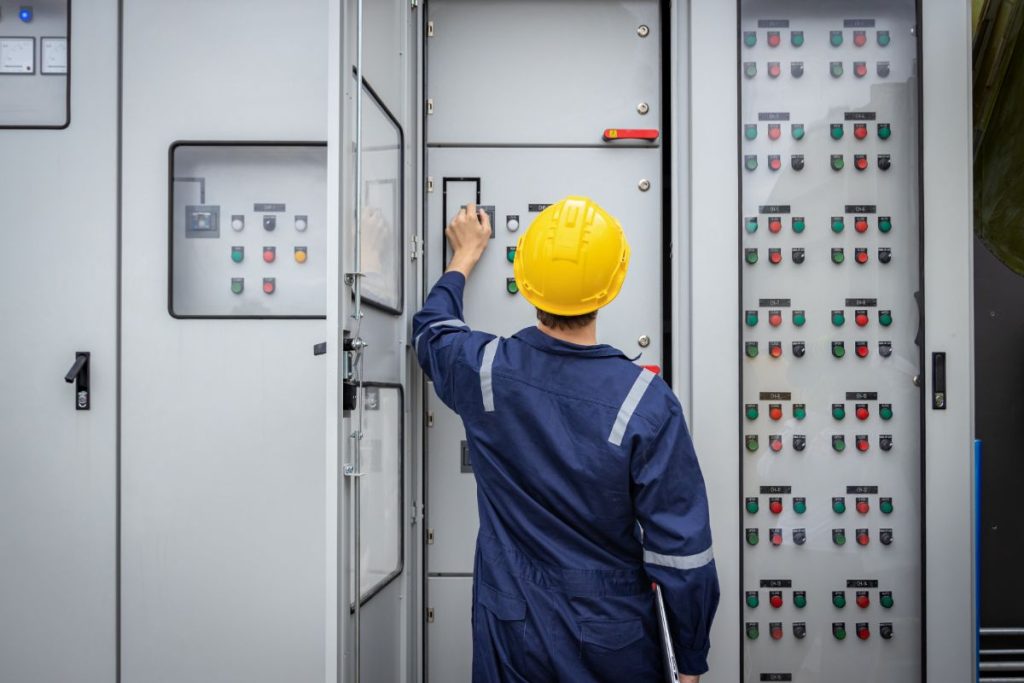
Ensuring electrical safety in an industrial facility is vital to protect personnel and maintain uninterrupted operations. Electrical failures can lead to costly downtime, equipment damage, and serious injuries. Implementing effective strategies to prevent these incidents is essential. This guide outlines five key approaches that will help safeguard your facility against electrical failures, enhancing both safety and productivity.
Comprehensive Maintenance Programs to Avoid Electrical Failures
The backbone of a reliable electrical system in any industrial facility hinges on a well-planned maintenance schedule. Systematic inspections and upkeep reduce unexpected breakdowns significantly. Routine evaluations identify aging components or potential faults before they escalate into costly failures, preserving operational continuity across all industrial functions.
Proactive measures such as infrared thermographic scanning uncover hidden hot spots, indicating imminent electrical issues like loose connections or insulation degradation. In addition, planned preventive maintenance minimizes downtime expenses and extends equipment service life, enhancing overall productivity.
Documenting all maintenance activities builds a transparent history that aids in troubleshooting recurrent issues. This practice fosters safer working conditions, complying seamlessly with safety regulations while mitigating the risk of electrical hazards.
Implementing Advanced Protective Devices for Electrical Safety
Integrating modern protective devices is a strategic step toward mitigating electrical failures stemming from overloads, short circuits, and faulty equipment. Circuit breakers, surge protectors, and ground fault interrupters act as first-line defenses, swiftly isolating faults to prevent damage and injuries.
Choosing equipment equipped with arc-resistant technologies adds another layer of worker protection by containing hazardous energy in case of arc flashes. Continuous innovation in device capabilities offers enhanced reliability, ensuring rapid response to electrical anomalies.
Regular testing and calibration of protective systems maintain their sensitivity and effectiveness, preventing malfunctions during critical moments. These precautions are essential for upholding operational integrity and workforce safety in industrial environments.
Adhering to Rigorous Electrical Safety Standards and Training
Compliance with industry safety norms like NFPA 70E and CSA Z462 cultivates a secure working environment, fostering best practices for electrical hazard management. These guidelines provide frameworks for risk assessment, proper labeling, and mandatory use of personal protective equipment (PPE).
Equipping personnel with comprehensive training enhances their capability to identify potential dangers and reacts appropriately. Understanding lockout/tagout procedures and safe work practices reduces incidences of accidental energization and exposure to live circuits.
Continuous education and refresher courses empower teams to stay current with evolving standards, enabling sustained adherence and demonstrating commitment to safety excellence.
Optimizing Electrical System Design and Infrastructure
Thoughtful system design plays an instrumental role in minimizing electrical failures. Emphasizing proper grounding and bonding ensures fault currents dissipate safely, reducing shock risks and equipment damage. Engineers must consider redundancy, load balancing, and arc flash mitigation in their architectural plans.
Employing substitution strategies like replacing conventional switchgear with arc-resistant types or low-voltage alternatives reduces hazard severity. Electrical layouts that prioritize accessibility and clear labeling improve maintenance efficiency and safety awareness.
Collaboration with specialized engineering consultants, like Berwick Electric, can yield customized solutions tailored to the unique demands of your facility, guaranteeing robust and scalable electrical infrastructure.
Timeline of Essential Electrical Safety Actions
| Action | Frequency | Purpose |
|---|---|---|
| Electrical System Inspection | Quarterly | Detect wear and failures early |
| Infrared Thermographic Survey | Biannually | Identify hot spots indicating electrical faults |
| Protective Device Testing | Annually | Ensure reliable fault interruption |
| Employee Safety Training | Every 3 years / after changes | Update on standards and procedures |
| Lockout/Tagout Procedure Review | Annually | Maintain proper equipment isolation |
| Documentation Update | Continuous | Keep maintenance and safety records accurate |
Effective prevention of electrical failures in industrial settings demands integrated strategies encompassing rigorous maintenance, advanced protective devices, strict adherence to safety standards, and optimized system design. Together, these elements fortify your facility against disruptions and safeguard personnel.
Ensure your industrial operations remain resilient and compliant by partnering with electrical safety experts today. Act now to implement these proven strategies and secure uninterrupted productivity alongside a safer workplace environment.
https://www.youtube.com/watch?v=M2KBzG0Bcfc