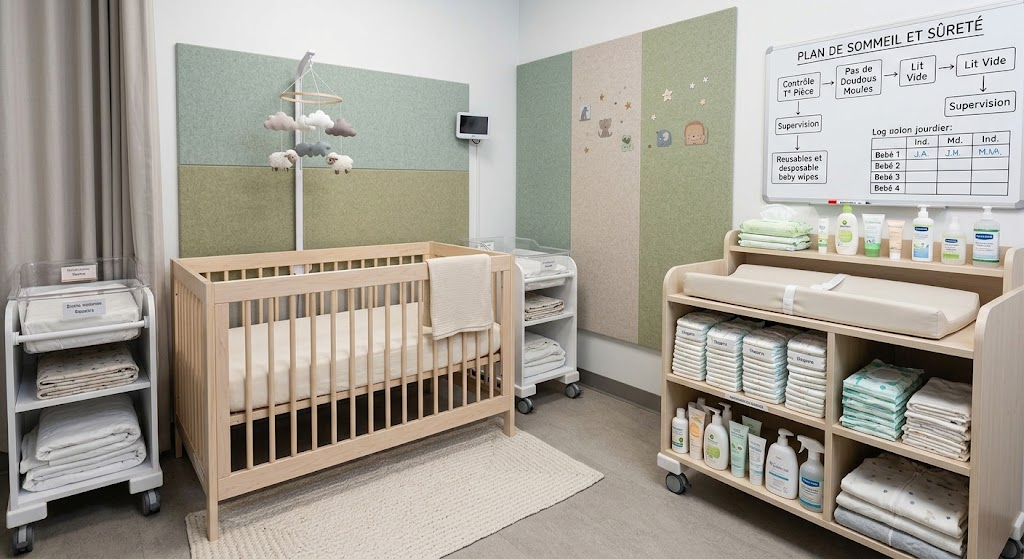
Infant care equipment can make feeding, changing, and sleep routines easier to organize, but no product replaces consistent safe sleep practices. A firm, flat, separate sleep surface, an uncluttered crib, and clear caregiver routines form the foundation; accessories should support these basics rather than complicate them. Choosing and using each item with care helps create a calmer environment throughout the day and night.
Safe Sleep Equipment for an Infant Crib and Baby Bassinet
The sleep space deserves special attention because infants may nap more than once a day and be cared for by several adults. A safety-compliant infant crib or baby bassinet should have a firm, flat mattress covered by a fitted sheet, with no pillows, loose blankets, bumpers, or soft toys.
Place babies on their backs for every sleep, including naps. Keep the sleep surface separate from an adult bed, and follow the manufacturer’s assembly and use instructions; a product marketed for comfort is not automatically suitable for sleep.
Sleep Sacks and Swaddle Blankets
A properly sized, non-weighted sleep sack can provide warmth without adding loose bedding. If swaddling is used, keep the fabric secure around the upper body but loose around the hips, and stop as soon as the infant shows signs of trying to roll. Weighted swaddles and weighted sleep products should not be used.
Baby Monitors and Sleep Safety
A baby monitor can help caregivers hear or see activity from another room, but it does not prevent sleep-related deaths or replace direct supervision and safe sleep practices. Cords and monitor components should remain well away from the sleep area.
Daily Infant Care Equipment for Feeding and Changing
Once the sleep environment is set, thoughtful organization can make everyday care more manageable. Keep frequently used supplies within reach of the caregiver while ensuring that the infant is never left unattended on an elevated surface.
| Equipment | Safer everyday use |
|---|---|
| Changing table | Use its safety straps and keep one hand on the infant; store supplies close by. |
| Diaper caddy | Organize diapers and wipes, but place it where it cannot fall into the crib. |
| Feeding bottle | Hold the bottle during feeding; never prop it or leave it in the sleep space. |
| Portable playard | Use only as directed, with its original firm sleep surface and fitted sheet. |
A changing table with a stable base and raised sides can support diaper changes, but those features do not make it safe to step away. A diaper caddy helps keep essentials organized, while a feeding bottle should be used with an attentive caregiver rather than propped against bedding or furniture.
Portable Playards and Flexible Routines
A portable playard can provide a designated sleep or play area when used according to its instructions. Do not add aftermarket mattresses, padding, or soft accessories, and check regularly for damaged parts, loose fasteners, or recalls.
Caregivers who need help adapting a home setup to physical or accessibility needs may consult a qualified occupational therapist.
Consistent Safe Sleep Routines Across Caregivers
Equipment works best when every caregiver follows the same clear routine. Written instructions, regular checks, and calm conversations with families can reduce mixed messages between home, childcare, and other care settings.
Practical habits can keep the routine consistent:
- Place the infant on their back for every nap and nighttime sleep.
- Keep the sleep surface firm, flat, separate, and free of loose items.
- Check that sleep products are used only for their intended purpose.
- Share updated care instructions with every regular or substitute caregiver.
Breastfeeding is associated with a lower risk of sudden unexpected infant death, but it does not replace a safe sleep environment. Since safe sleep and breastfeeding guidance can be confusing when messages conflict, supportive, nonjudgmental conversations help families make informed choices. Community education should also recognize that disparities in sleep-related deaths affect some racial, ethnic, and geographic groups more heavily; access to clear, culturally responsive guidance matters.
Organizations such as NICHQ and Cribs for Kids provide educational resources for families and professionals, while a healthcare provider can address questions specific to an infant’s needs. Occupational therapists may also advise on practical caregiving arrangements; and seek personalized guidance from a qualified professional.