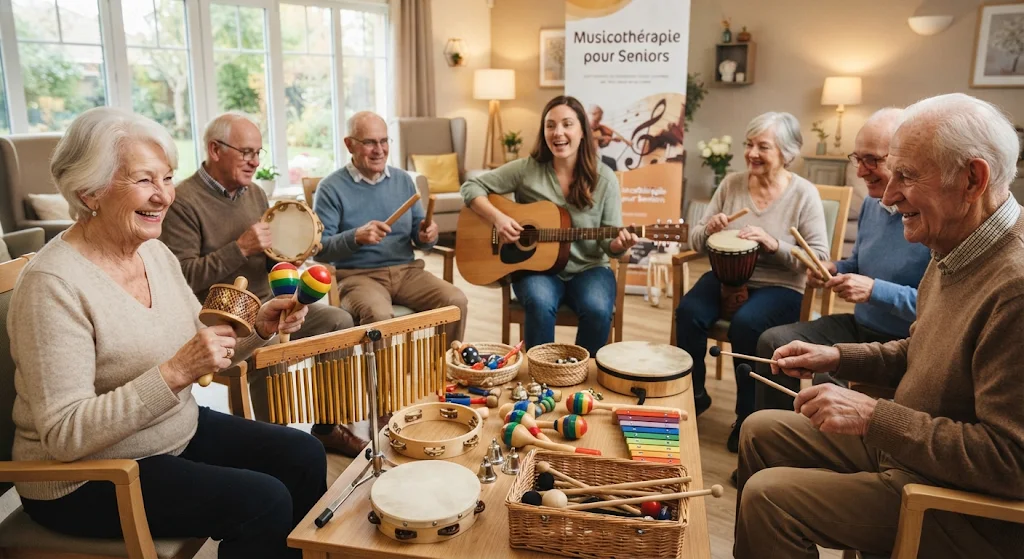
Music therapy has proven to be an effective modality for enhancing the well-being of older adults. By engaging with musical instruments, seniors can experience a range of emotional and cognitive benefits. This article delves into the various instruments used in music therapy, their therapeutic effects, and how they contribute to the overall quality of life for older individuals.
The Role of Music Therapy in Geriatric Care
Understanding the importance of music therapy in geriatrics provides insight into how it can positively influence senior lives. Music therapy is not just about listening to music; it involves active participation and interaction with various instruments.
Emotional and Cognitive Benefits
Participation in music therapy can lead to significant emotional and cognitive advancements for older adults. Engaging with musical instruments can stimulate various areas of the brain.
- Enhances memory recall through familiar melodies.
- Reduces feelings of anxiety and depression by promoting relaxation.
- Encourages social interaction, leading to improved communication skills.
Physical Engagement and Coordination
Using musical instruments can also improve physical coordination and motor skills. This active participation plays a vital role in maintaining physical health.
- Improves fine motor skills through playing instruments that require precise finger movements.
- Encourages movement and exercise, which is beneficial for overall health.
- Stimulates sensory responses, aiding in better physical awareness.
Commonly Used Instruments in Music Therapy
There are several instruments commonly utilized in music therapy sessions for older adults. Each instrument offers unique benefits and engages different aspects of therapy.
Percussion Instruments
Percussion instruments are often favored in music therapy due to their accessibility and ability to encourage rhythmic participation.
- Drums: Effective for stress relief and providing a physical outlet for emotions.
- Shakers: Easy to use, they promote motor skills and can be adapted for various abilities.
- Tambourines: Encourage coordination and rhythm, which can enhance cognitive function.
String Instruments
String instruments, such as guitars and violins, can provide melodic elements that are soothing and engaging for older adults.
- Guitars: Versatile and popular, they can be used for both singing and strumming.
- Cellos: Their rich tones can evoke emotions and foster deep connections during therapy.
- Ukuleles: Smaller and easier to handle, they serve as a great introductory string instrument.
Incorporating Instruments into Therapy Sessions
Effective incorporation of musical instruments into therapy sessions requires thoughtful planning and consideration of the participants’ needs.
Personalization of Therapy
Each older adult has unique preferences and abilities, making personalization essential in music therapy.
- Assessing Interests: Understanding individual musical preferences helps tailor sessions.
- Adapting Techniques: Modifying how instruments are used ensures accessibility for all participants.
- Setting Goals: Establishing specific objectives for each session can enhance the therapeutic experience.
Creating a Supportive Environment
A supportive and encouraging environment is vital for successful music therapy sessions. This promotes engagement and interaction among participants.
- Group Sessions: Facilitating group activities in an adult day care setting can foster camaraderie, encourage social interaction, and reduce isolation.
- Safe Space: Ensuring a safe and comfortable setting encourages exploration and joy.
- Positive Reinforcement: Celebrating achievements, no matter how small, motivates continued participation.
Conclusion
Music therapy, through the use of various instruments, presents numerous benefits for older adults. Engaging with music not only enhances emotional and cognitive well-being but also fosters physical activity and social interaction. By considering the unique needs of seniors and incorporating suitable instruments, caregivers can create enriching experiences that significantly elevate the quality of life. If you are considering music therapy for yourself or a loved one, it is advisable to consult with a professional to ensure the best outcomes.