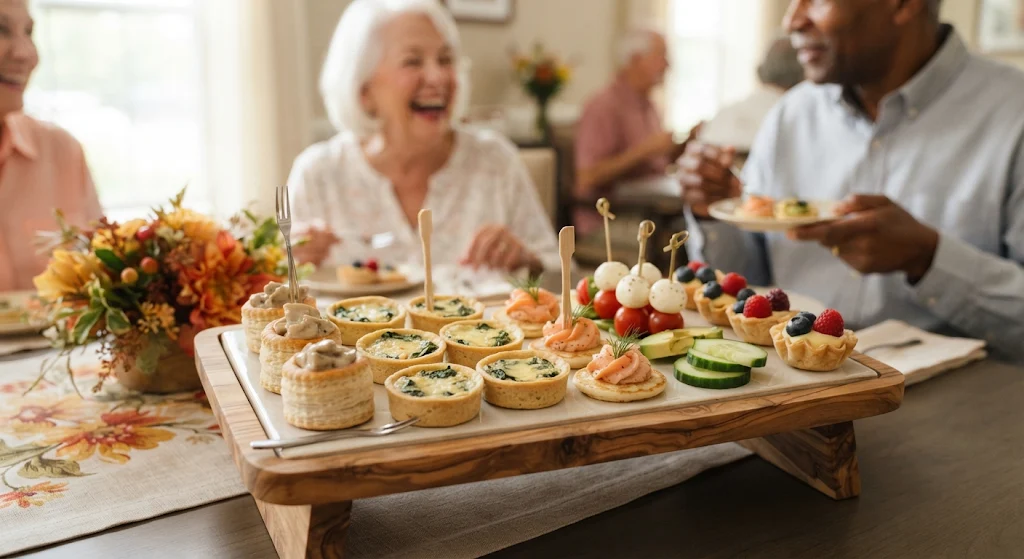
Snacking can become less appealing when chewing, gripping utensils, or managing a full plate takes extra effort. Well-chosen finger foods offer a practical alternative: they can be easy to handle, satisfying, and nourishing, while helping older adults enjoy food at their own pace. The best choices depend on individual preferences, appetite, and any needs related to chewing or swallowing. From soft fruit and egg bites to neatly portioned sandwiches, senior-friendly snacks can make everyday eating simpler without sacrificing variety or nutrition.
Choosing Easy-to-Eat Finger Foods for Seniors
Easy-to-eat finger foods are small enough to pick up comfortably and tender enough to chew without excessive effort. Their usefulness goes beyond convenience: familiar flavors and manageable portions may make snacks more appealing when a large meal feels daunting.
For a balanced choice, combine foods from different groups rather than relying on sweets or crackers alone. This approach supports senior nutrition while leaving room for personal taste and dietary guidance.
These options can provide a helpful starting point for building varied snacks:
- Soft fruit, such as ripe pear slices, banana pieces, or seedless melon.
- Protein-rich bites, including hard-boiled egg wedges, tender cheese cubes, or soft tofu pieces.
- Small sandwiches made with tender bread and moist fillings, such as egg salad or mashed beans.
- Cooked vegetables cut into manageable pieces, such as soft squash or steamed carrots.
Portion size and texture matter as much as the ingredient itself. Cutting food into consistent, easy-to-hold pieces can make a snack more approachable.
Matching Soft Snacks for Seniors to Comfort and Nutrition
Soft snacks for seniors can be useful when firmer foods are tiring to chew, but “soft” should not be treated as a universal texture prescription. Individual dental, swallowing, and medical needs vary, so a clinician’s advice should guide choices when swallowing is difficult or unsafe.
For everyday healthy snacking, pair a soft carbohydrate with protein or a source of healthy fat. This can make a small snack more satisfying than a single low-nutrient item.
Several simple combinations offer variety while keeping textures tender and portions manageable.
Combining Nutritious Finger Foods
Nutritious finger foods can include soft cheese with ripe fruit, egg pieces with tender toast, or mashed beans spread on small pieces of soft bread. These pairings provide different nutrients and flavors without requiring a fork and knife.
When appetite is limited, a few appealing bites may be more realistic than a large serving. Rotating ingredients helps prevent snack routines from becoming monotonous.
Adapting Easy-Grip Snacks
Easy-grip snacks should be large and firm enough to pick up, yet tender enough to eat comfortably. Avoid dry, crumbly, sticky, or tough foods if they cause difficulty; adapt portions and textures to the person’s needs.
Bite-sized foods are not automatically safe for everyone. Follow professional guidance on texture and serving size, particularly when chewing or swallowing concerns are present.
Preparing Low-Mess Snacks for Everyday Convenience
Low-mess snacks can make independent eating easier and reduce cleanup. Choose foods that hold their shape, serve dips in small containers, and use a plate or napkin to keep the eating area orderly.
Preparation also affects convenience. Wash and portion suitable foods ahead of time, then refrigerate them safely; discard items that have been left out beyond safe handling limits.
The table below compares snack ideas by texture and practical advantage. Adjust each option to personal dietary needs and professional recommendations.
| Snack | Texture | Practical advantage |
|---|---|---|
| Ripe banana pieces | Soft | Easy to portion and hold |
| Egg wedges | Tender | Protein-rich and compact |
| Soft cheese cubes | Firm-soft | Convenient when kept chilled |
| Steamed squash pieces | Very tender | Moist and easy to prepare |
Convenient snacks work best when they suit both the person’s abilities and daily routine. A small selection of ready-to-serve choices can encourage regular eating without making snack time feel like a chore.
Thoughtful finger foods can support comfort, independence, and a more varied approach to snacking. For personalized advice about nutrition, chewing, or swallowing, consult a qualified healthcare professional or registered dietitian.